This might seem to be a relatively straightforward question, but let us just pause for a minute and consider the idea that cycling infrastructure is actually motoring infrastructure on the basis that if it wasn’t for the speed and volume of motors we wouldn’t be asking the question in the first place. That caveat should always be at the back our minds when we talk about designing for sustainable mobility.
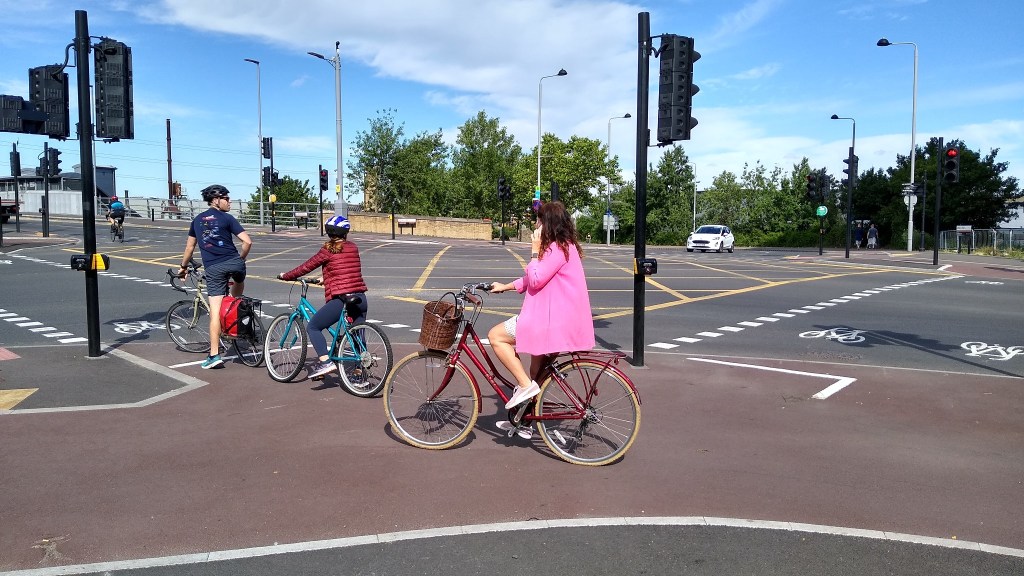
Can you think how this layout responds to the five core principles?
Back to the question then. We advocate testing network and street design against the five core principles of cycling design (which equally apply to walking and wheeling) and which are coherence, directness, safety, comfort and attractiveness. Having an idea of what these are, where they overlap and what the trade-offs between them might be, really is at the core of design.

The five core principles appear in UK guidance such as LTN 1/20 Cycle Infrastructure Design, but the original idea comes from the Netherlands in the form of the Design Manual for Bicycle Traffic. This really gets to the heart of the principles and it recognises that conditions change which might require a rethink.
“In general it holds that if the minimum level cannot (or can no longer) be met for one (or more) of the five main requirements, then the infrastructure will need to be modified.”
So let’s look at each of the core principles.
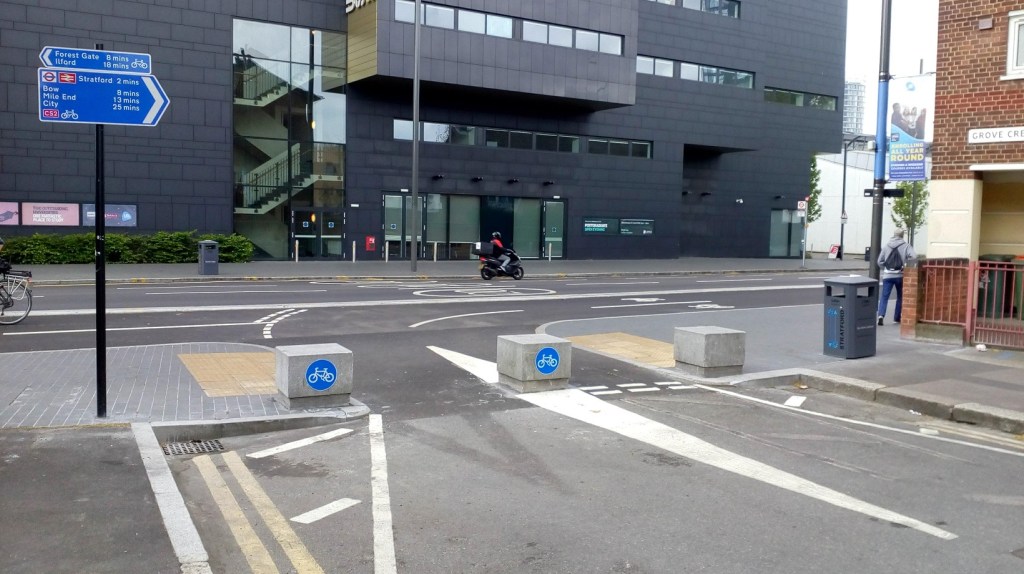


Coherence – The cycling infrastructure forms a coherent whole and links all origins and destinations. This recognises that destinations are everywhere and so main roads and side streets are both needed to form cycling networks and large gaps will reduce cohesion. Creating cohesive networks also means that significant barriers have to be tackled, both natural and man-made. There is also a dimension around having seamless integration with other transport networks such as rail. We also need to remember that planned and unplanned events such as street works can impact coherence which is why relying on a single route lacks resilience.
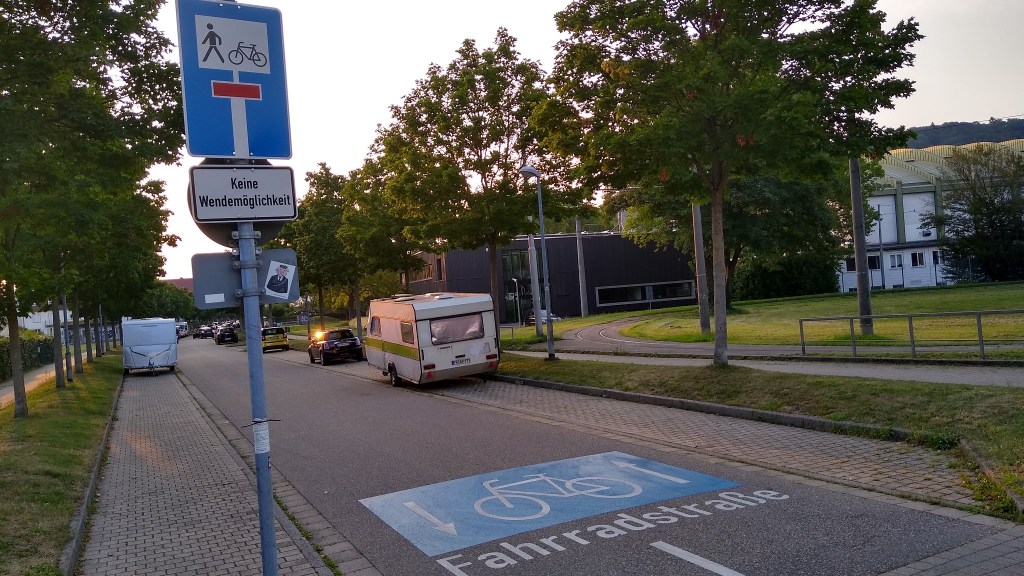
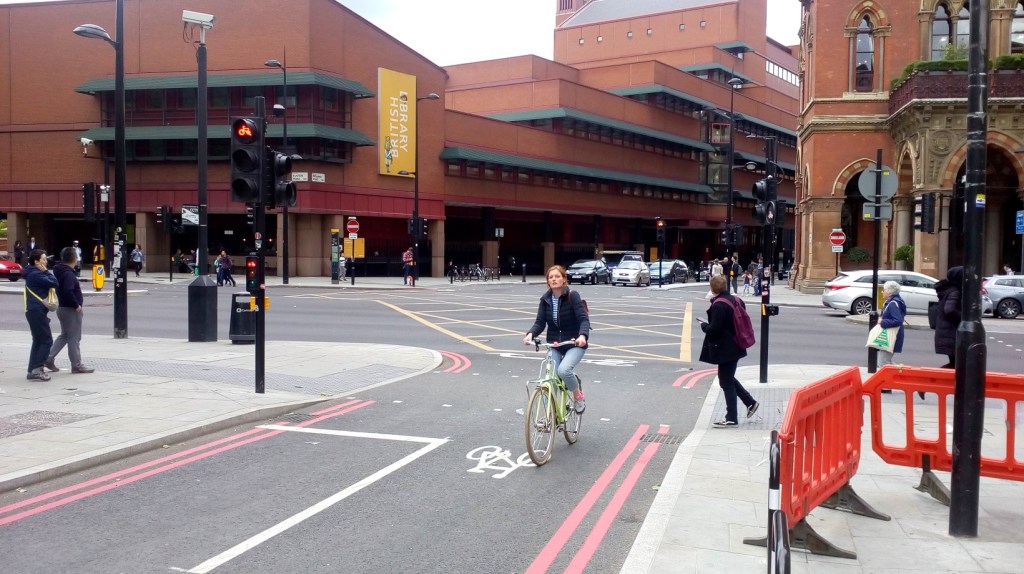
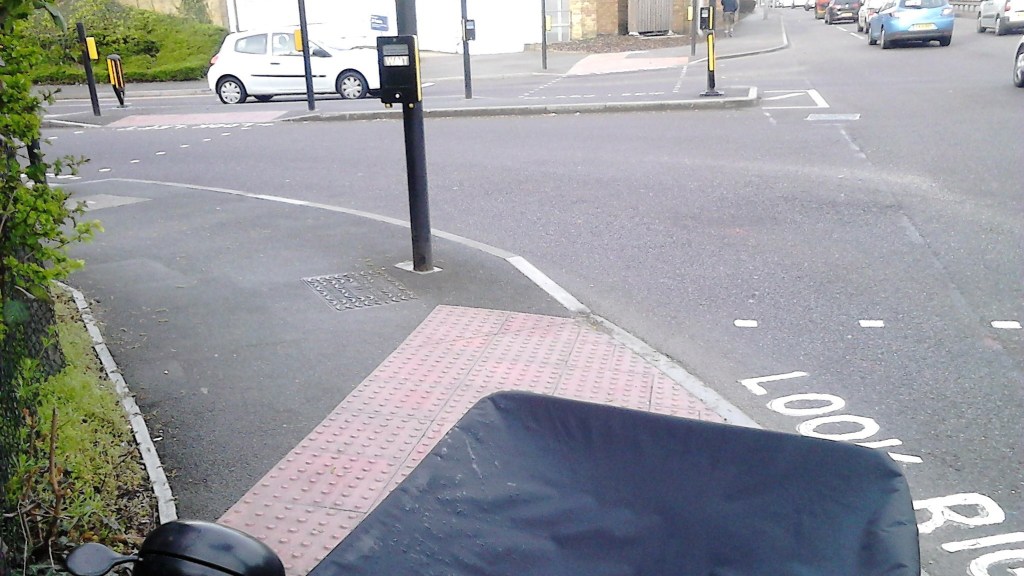
Directness – The cycling infrastructure always offers the cyclist as direct a route as possible (detours kept to a minimum). This has both macro and micro level considerations; for example a route across a city or the route through a complex signalised junction. Directness can be measured in time as well as distance; for example a slightly longer route which avoids a complex junction might actually provide a quicker journey.
We should also be trying to achieve conditions where cycling is quicker than driving from a competitiveness point of view. Finally, traffic management is a product of motorisation and so we need very little to manage cycle traffic given it is a human scale transport mode.
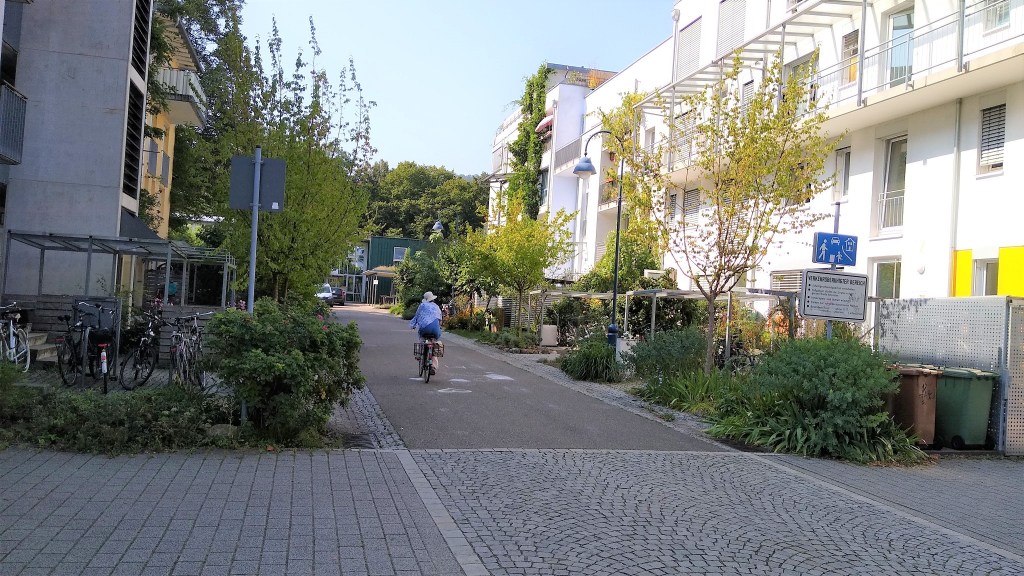
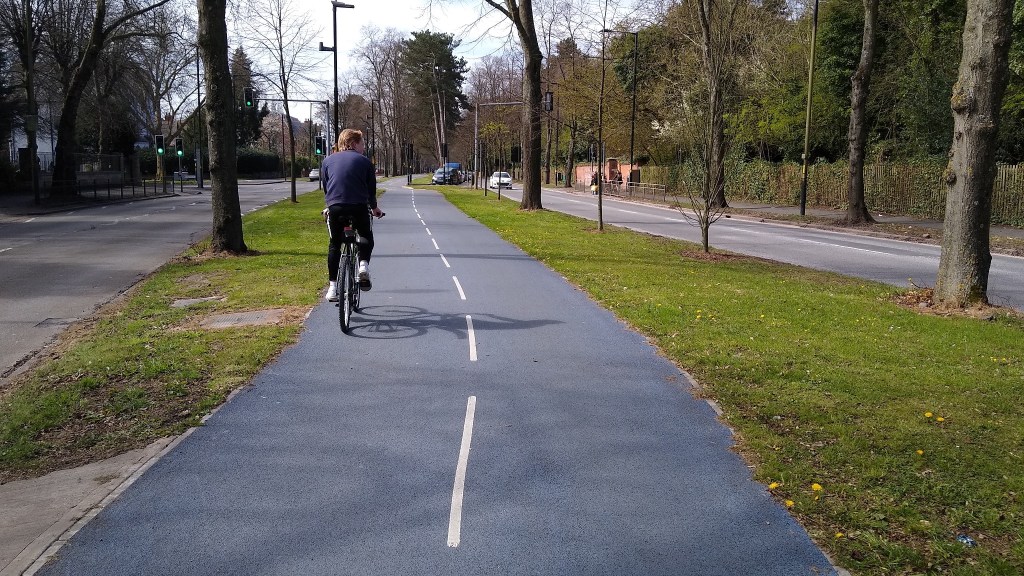
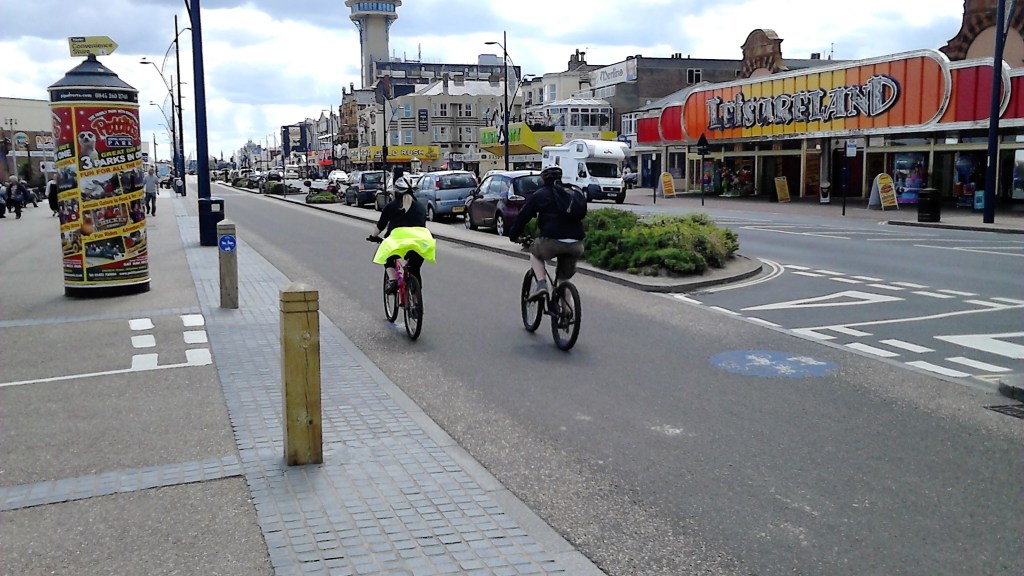
Attractiveness – The cycling infrastructure has been designed and fitted in with its surroundings in such a way that it is appealing or attractive. This is perhaps one of the more subjective principles, but there are some basics we can think about such as having smooth surfaces as well as simple and legible routes through junctions where decisions on direction are easy to make.
It can also be a little more subtle with having direct access to destinations where one can cycle up to a building entrance and indeed, cycle right into secure cycle parking. There is also the idea of escaping monotony. Does the infrastructure deliver interesting and vibrant places to the user or is it mile after mile next to noisy traffic? Perhaps we can even measure this as a smile factor or whether people can use the infrasture cycling side by side, lost in conversation.
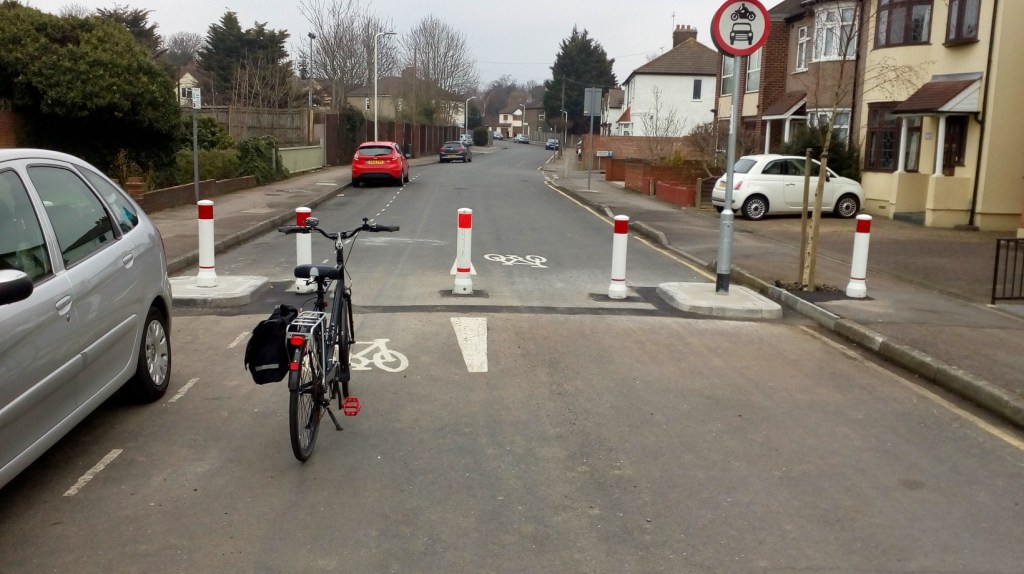

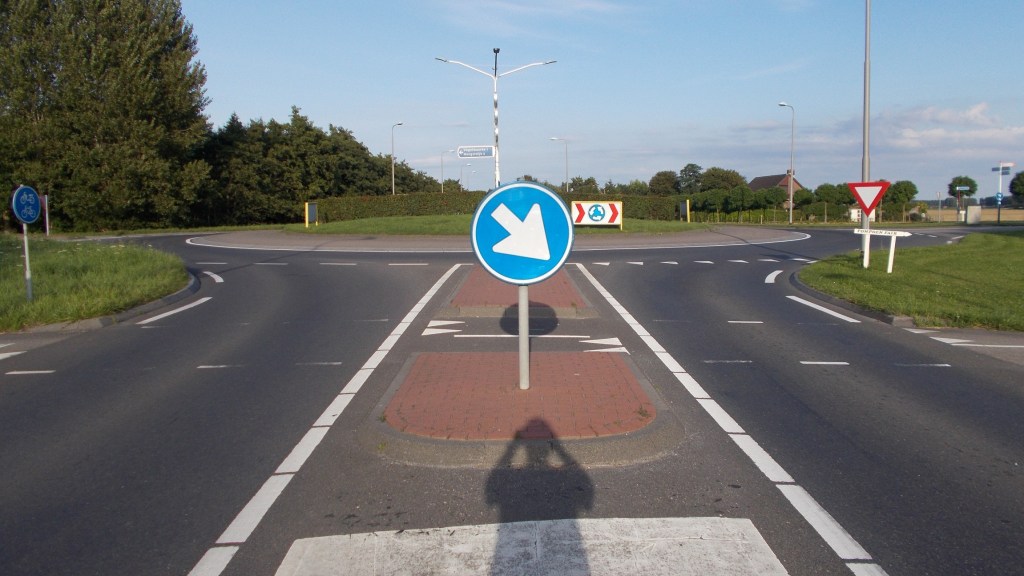
Safety – The cycling infrastructure guarantees the road safety and health of cyclists and other road users. Safety is objective in terms of collision risk which means designing out interactions with fast/ heavy motor traffic and having design details which don’t create risks and traps for people cycling. It is also subjective in terms of how comfortable people feel which could include infrastructure being too crowded or it could be the social safety differences between day and night.
Safety also includes ensuring that people have low exposure to air pollution and noise by providing buffers to motor traffic or having main cycle routes away from busy roads. Junctions are where there is the greatest risk and so having legible layouts which protect in time and space will be the safest. A key component of safety is also not mixing modes with high speed differentials and this holds for the interaction between cycling and pedestrian space.

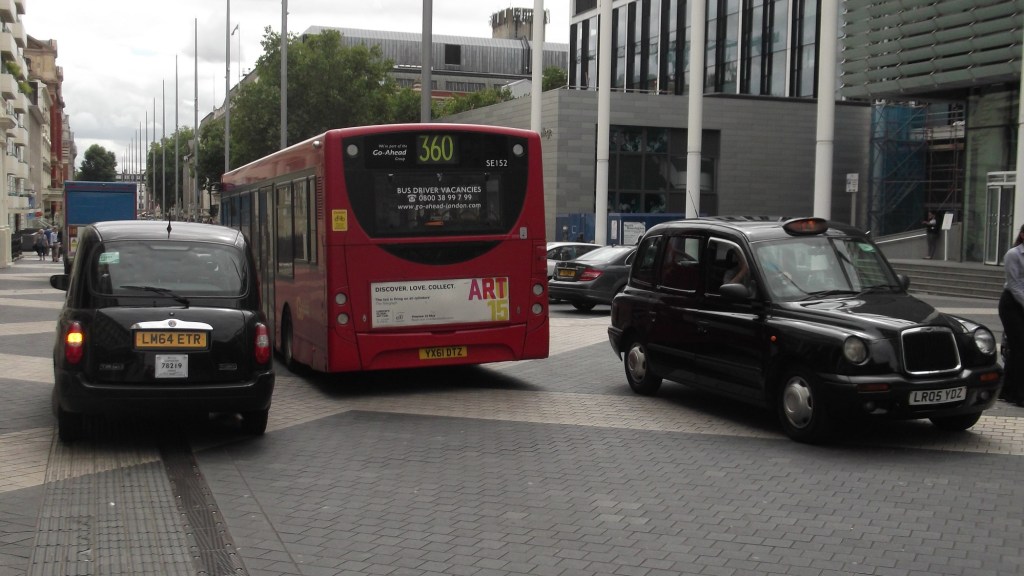

Comfort – The cycling infrastructure ensures that cyclists experience minimal nuisance. This means avoiding mixing with busy traffic because it is tiring and avoiding stops – the Dutch guidance suggests that 75m to 100m worth of effort is needed to get going again. A 3km route with 10 stops could feel more like 4km. Minimising turns helps as well because they create the potential to get lost at as well as the energy losses in making them.
Comfort is also about having legible wayfinding & landmarks because people worry about getting lost. Routes which enable a cycling mind map to form are going to be very helpful in this regard. Smooth, all weather surfacing is crucial to enabling cycling all year round by everyone to wants to.

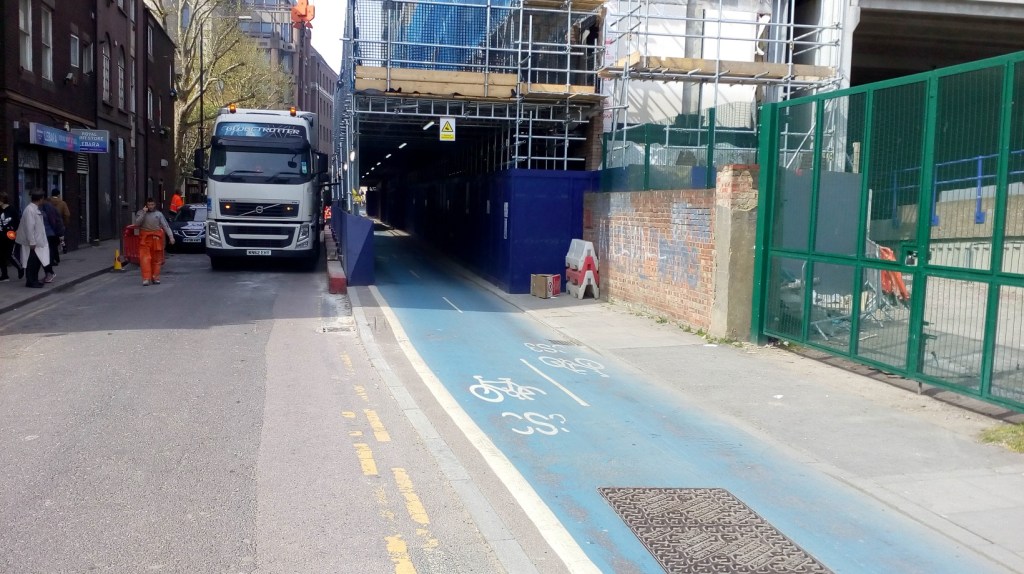
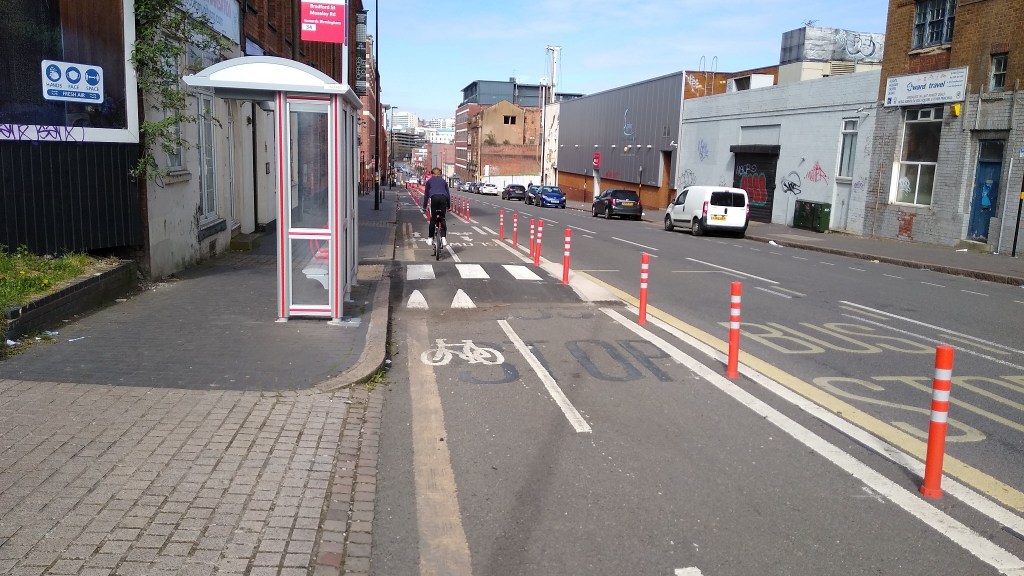
The five principles are a really useful way to think about design, but the balancing of competing demands is the stock-in trade of planners and engineers. We are often pushed by time, space, money and politics. However, dropping below the minimum standard for one or more of the five principles can create network gaps, so where do we compromise?
A short section of reduced comfort and attractiveness might acceptable if it remains safe, direct and coherent (people can understand and see the end of the compromise). A slightly longer route to avoid a large junction (including grade separation) might have reduced directness, but the other principles are enhanced. Sacrificing safety will discourage people. If it’s a route, we’ve a weak link and no work around.
People walking should not have to be drawn into compromises. If something has to give, it should be space for motors and then cycling space (subject to the other considerations). If we can’t make something work at the local level, the solution is invariably at the network level.
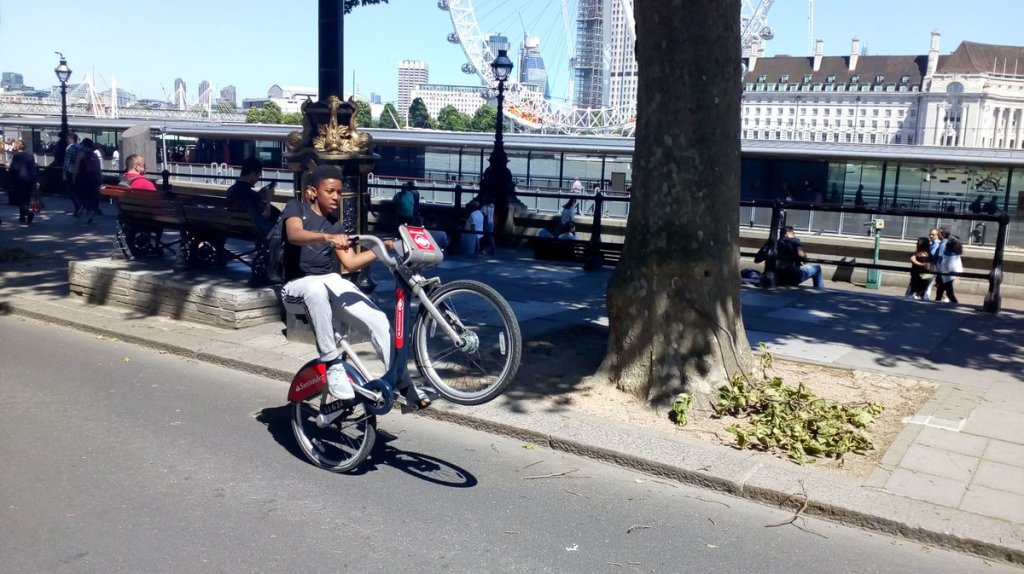
The acid test for good cycling infrastructure is measured by people of all ages cycling, people using non-standard and adapted cycles, people cycling side by side having a chat and children being children in perfect safety.
Can we help with your project? Find out more about us, our services or drop us a line.
 City Infinity
I’ve been wondering to what extent these five principles are only about designing equal choices for all modes (including cars). In other words attempting to address the fact that transport policy and design has so heavily skewed towards the private car at the expense of other modes.
What metrics would we need (in addition to these) if we wanted to, for reasons of health and climate, radically promote the active (and public) modes over and above the private car? Priority (even if that’s just visual priority)?
LikeLike
There is a key piece of thinking which inevitably leads us to conclude that most of the things on our streets is motoring infrastructure whether it’s a car parking sign or a cycle track. If we don’t have motors on the street, then the five principles are clearly more easily achieved. Even a road with a cycle track on it means there is enough traffic to need protection and although this might be safe and direct, the other principles are already compromised by the precence of traffic.
There is one health warning from the Netherlands in this. We should also be wary of replicating the problems caused by too much motor traffic with too much cycle traffic (it’s a different magnitude) and that needs careful network thinking.
LikeLike